
A haemoglobin A1C test measures your blood sugar levels over 2 – 3 months. It is
essential for preventing and managing Type 2 diabetes. This regular blood test can help
detect elevated blood sugar levels.
Healthy HbA1C targets change over time and may differ if you have underlying health
conditions such as diabetes. HbA1C levels tend to rise about 0.1 percent per decade with
age.
Healthy HbA1C: less than 5.7 percent
Prediabetes: between 5.7 and 6.4 percent
Diabetes: 6.5 percent or higher
The following ranges are considered normal for most adults:
20s-30s: 4.0 to 5.8 percent
40s-50s: 4.1 to 6.1 percent
60s+: 4.4 to 6.5 percent
One of the biggest influences on blood glucose for women is hormone status – premenopausal women tend to have lower HbA1C levels, while post-menopausal women
tend to have higher HbA1C levels.
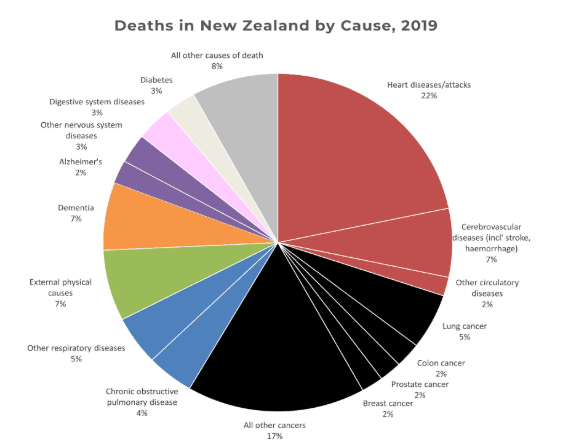
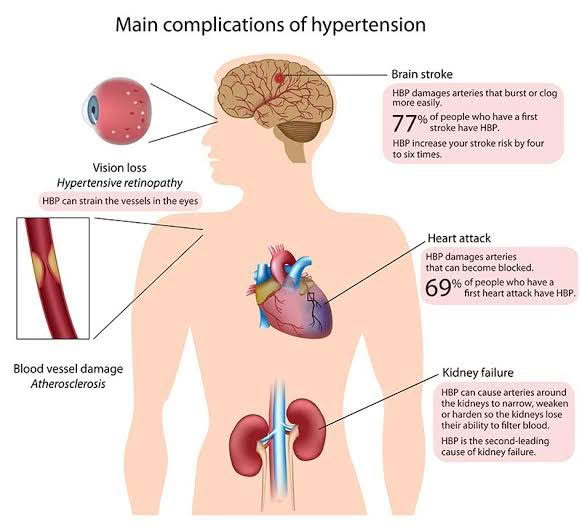
For both men and women, monitoring your HbA1C can prevent chronic kidney disease,
cardiovascular disease, stroke and eye diseases.
For those with cardiovascular disease (CVD) you should have a test for HbA1C at least
twice a year.
Ways to keep HbA1C in check include: