


Author: T. W. Lash, Heartbeats Date: 20th April, 2026
Aerobic exercise is defined as any activity that uses large muscle groups that can be
maintained continuously and is rhythmic in nature. Common forms of aerobic exercise
include walking, jogging, cycling, rowing and swimming.
The benefits of aerobic exercise training within cardiac rehabilitation are well
established.
Cardiometabolic benefits include (but are not limited to) improved insulin sensitivity
and glycaemic control, reduction in inflammatory markers, reduced visceral fat,
improved vascular function and blood pressure control, improved lipid metabolism,
improved skeletal muscle structure and function, and modest improvements in left
ventricular function. (Clinical Guide on Physical Activity and Exercise in Cardiac Rehab.
CSANZ).
The greatest mortality risk factor for heart mortality is cardiovascular fitness. (Matt
Wood, M.Sc. Exercise Physiology, CEP, AUT Auckland).
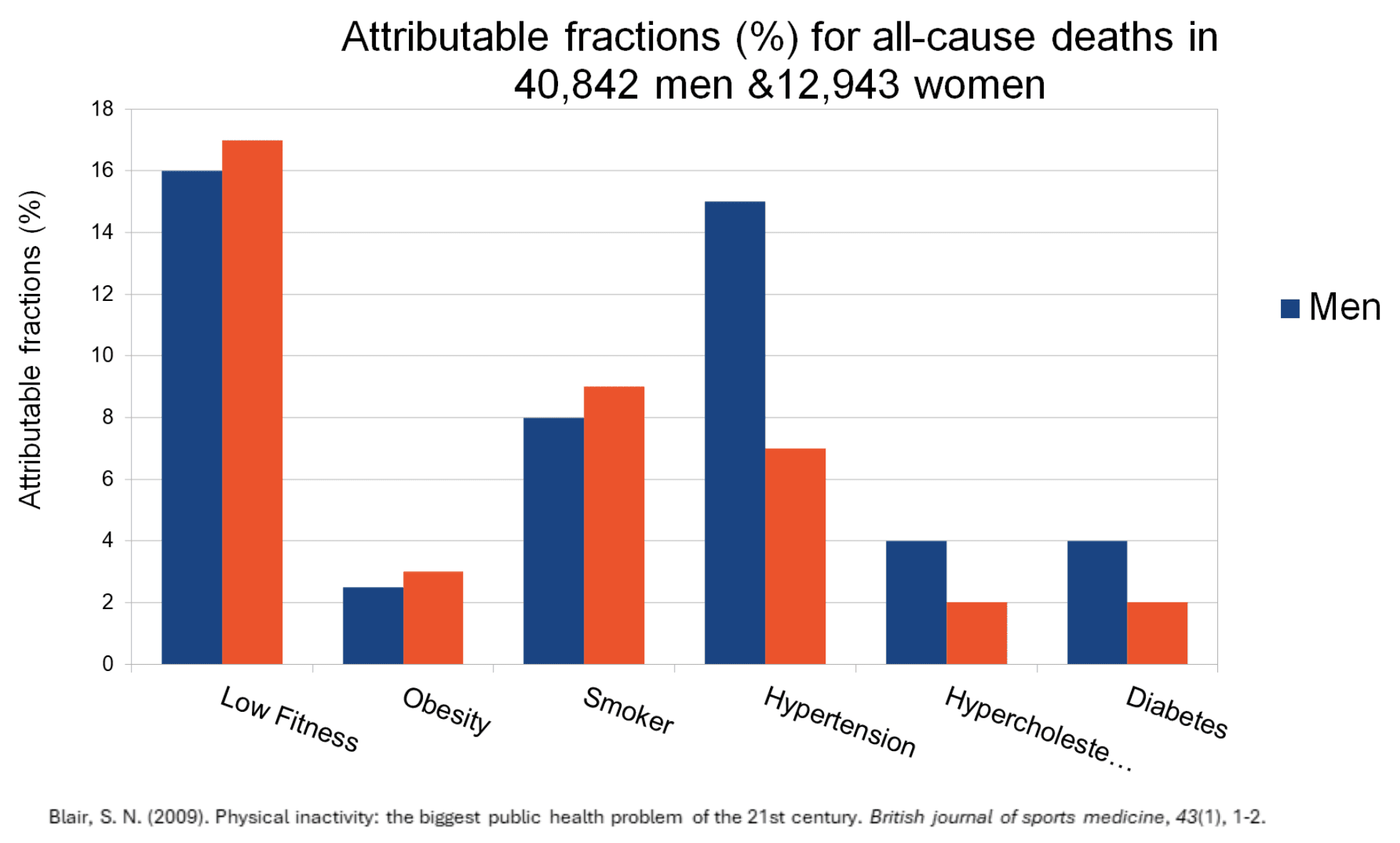
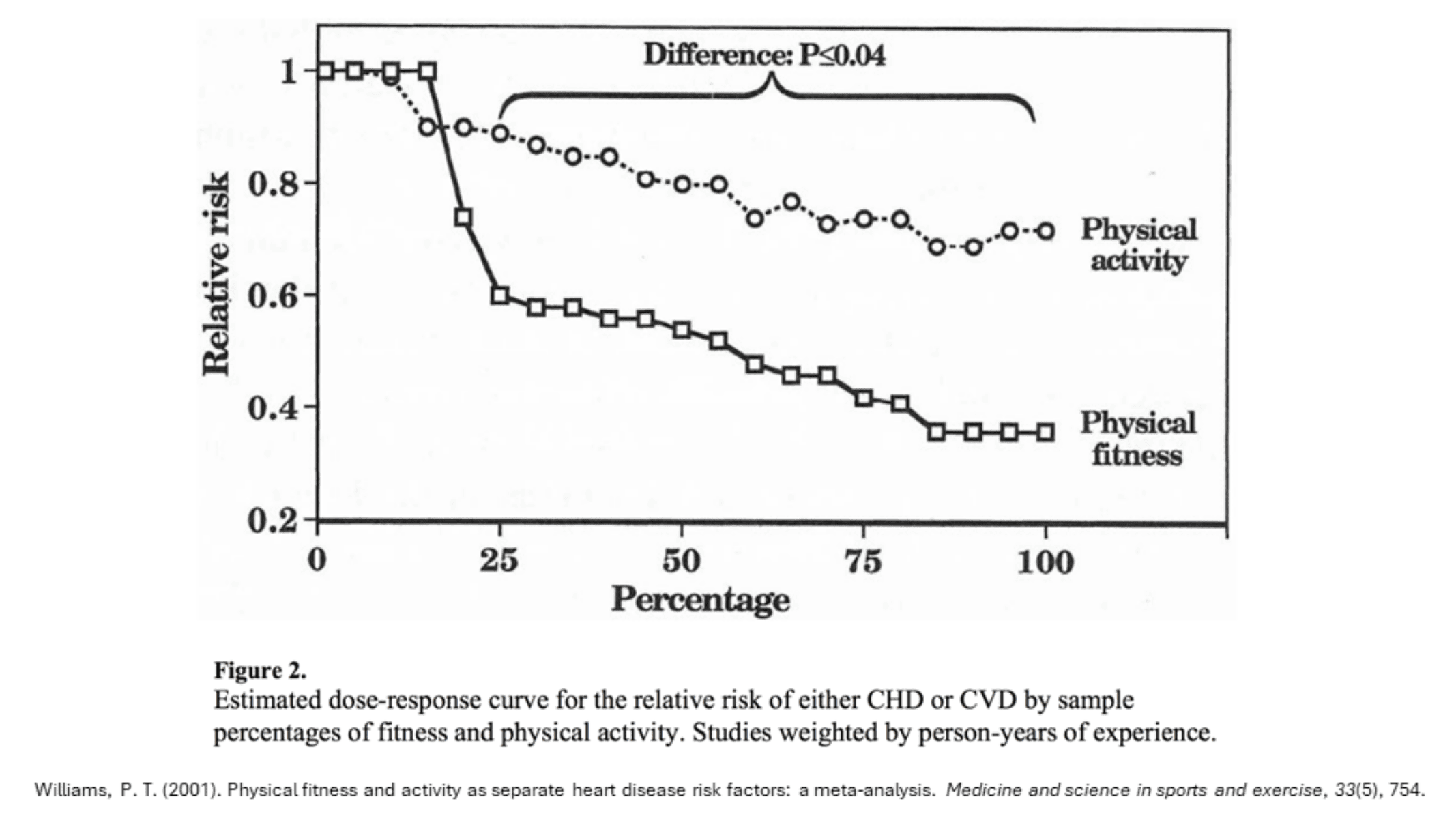
Physical fitness is a stronger indicator of CVD risk and all-cause mortality compared to
physical activity. People are often not familiar with the difference between physical
activity and physical fitness, and why targeting objective changes in cardiorespiratory
fitness is more effective than an energy expenditure-based physical activity approach
to primary and secondary prevention healthcare. The following graph shows that with
increased physical activity there is a reduction in cardiovascular risk (i.e. heart attack
or myocardial infarction) but a greater risk reduction with targeted physical fitness.
Adherence to a cardiovascular fitness, exercise-based programme is important
otherwise the health benefit is lost and cardiovascular fitness falls back
Equally important, is strength training. Particularly for people over the age of 70 years,
women, and those who need to lose weight through prescribed medications, such as
Wegovy or Ozempic.
Weight loss meds are effective in the short term, but without lifestyle change, have
primarily only reduced your muscle mass and over time you will regain weight, which
is then mainly fat. (Dr. Stacey Reading, PhD Exercise Physiology, Auckland University,
Exercise Sciences Faculty).
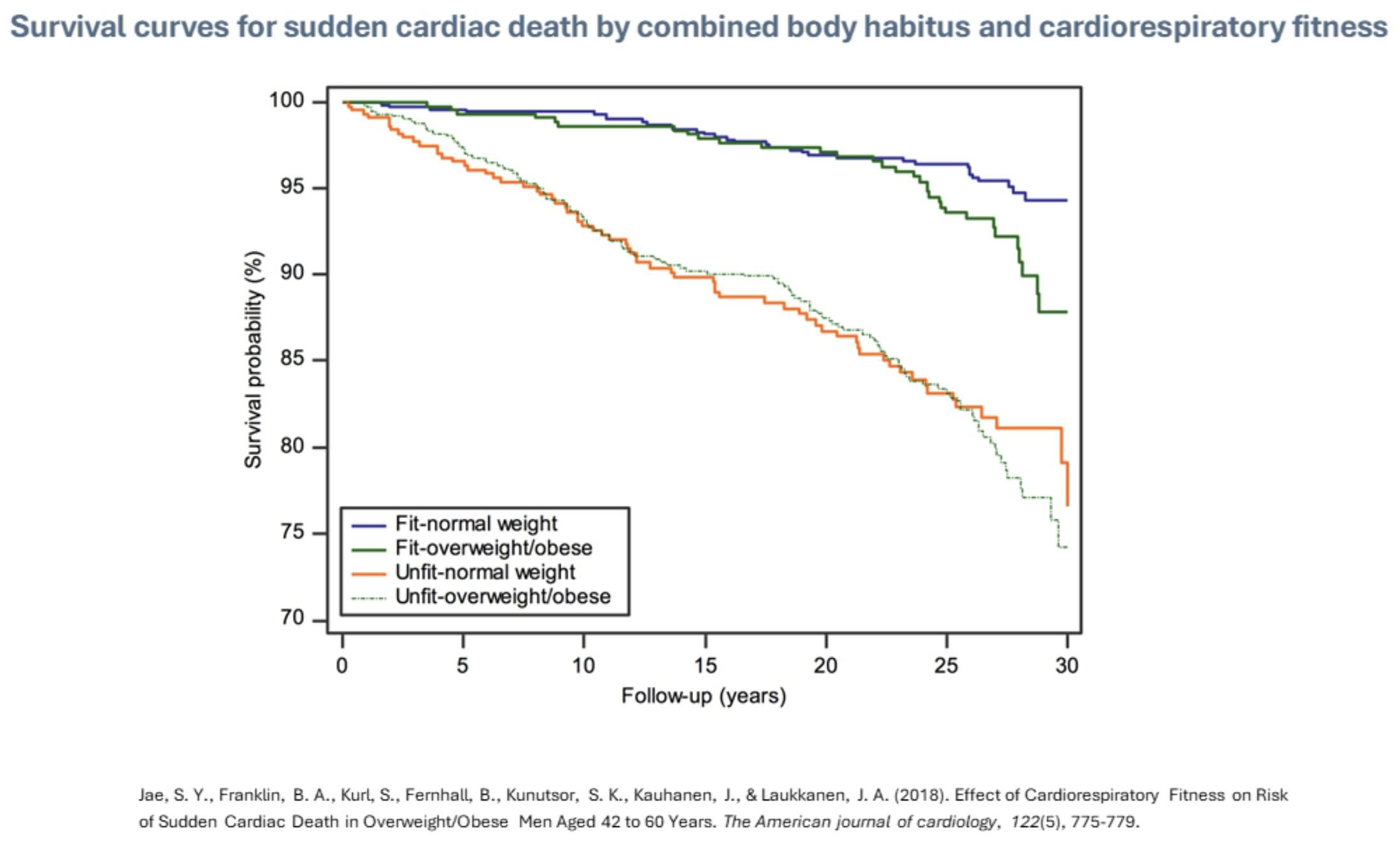
Note: body habitus is the human body ‘type’, that is based on physical build, shape, size
and muscle-fat distribution